There was a time when malls ran Charlotte. Not as a suggestion. As a fact. If you wanted clothes, food, social interaction, or just something to do, you went to the mall. It wasn’t optional. It was the center of gravity.
Now most of them are ghosts, shells, or barely hanging on. Here’s how Charlotte’s mall era rose, peaked, and quietly collapsed.
When the Mall Was The City
In the 80s and 90s, malls weren’t just shopping centers. They were social headquarters.
Eastland Mall. Northlake. Carolina Place. SouthPark. These weren’t errands. These were plans. Teenagers hung out there. Families spent entire Saturdays there. Couples went on dates there. You didn’t “stop by.” You stayed.
Food courts were packed. Movie theaters were full. Arcades, record stores, sneaker stores, and clothing spots made malls feel alive. If you wanted to feel connected to the city, the mall was where it happened.
Eastland Mall: The Beginning of the End
Eastland Mall tells the clearest story.
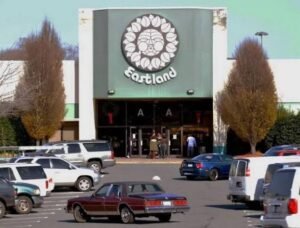
Once thriving, once packed, once essential. Then slowly ignored. Stores left. Maintenance slipped. Perception changed. And once people decided it was “declining,” the death spiral started.
Charlotte didn’t lose Eastland because malls died overnight. It lost Eastland because the city stopped investing in it, both financially and culturally. When middle-class shoppers leave, businesses follow. When businesses leave, reputation tanks. Then it’s over.
Eastland wasn’t unique. It was just first.
SouthPark Survived for One Reason
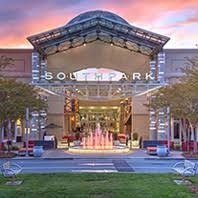
SouthPark Mall didn’t survive because malls are timeless. It survived because it adapted and because of where it sits.
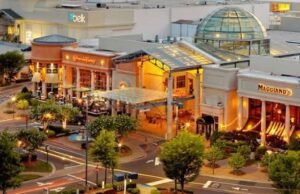
Affluent area. High-end brands. Luxury positioning. It stopped being a mall and became a retail experience. The kind where people say they’re “going to SouthPark” instead of “going to the mall.”
That distinction matters. SouthPark didn’t fight the future. It charged admission via price tags.
The Suburban Mall Problem
Carolina Place, Northlake, and similar malls ran into the same issue: too big, too expensive, and too dependent on foot traffic that slowly disappeared.
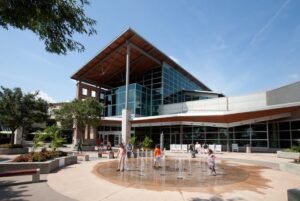
Online shopping didn’t help. Neither did big-box stores. But the real killer was convenience. People stopped wanting to park, walk, browse, and wait. They wanted quick in and out. Strip malls and shopping centers won that fight easily.
Malls were built for a slower, more social version of life. Charlotte sped up.
Lifestyle Centers Replaced Them
Charlotte didn’t stop shopping. It just changed formats.
Outdoor shopping areas. Mixed-use developments. Restaurants, apartments, gyms, and stores all blended together. You don’t “go shopping.” You “already happen to be there.”
Places like South End didn’t kill malls directly, but they finished the job. Why hang out at a mall when the city built cooler, more Instagram-friendly places that don’t feel enclosed or outdated?
Why the Mall Era Isn’t Coming Back
Malls required:
Time Patience Browsing culture Shared public space
Modern Charlotte doesn’t reward any of that. People want efficiency, experience, or exclusivity. Malls sit awkwardly in the middle.
A few will survive. Most won’t. And the ones that do will look nothing like the malls people remember.
What Charlotte Lost With the Malls
Here’s the part no one likes to admit.
Malls were one of the last truly shared spaces. Different ages, races, incomes, and backgrounds all in one place, doing the same thing. Wandering. Killing time. Existing together.
Charlotte replaced that with fragmented spaces. Some upscale. Some hyper-local. Some completely inaccessible depending on who you are.
The mall era died quietly, but its absence still shows. The city feels more spread out now. More segmented. Less collective.
That’s progress, apparently.
About the Author